Apple's integrated electronic boarding pass app Passbook is all the rage among airlines -- but what about business travellers with Android, Windows or BlackBerry smartphones?
British Airways thinks it has the answer: an automated system where the airline checks you in, assigns your seat and issues you with an electronic boarding pass without your lifting a finger or logging onto a website.
The system is being rolled out as a trial for "selected passengers" from certain French airports to the UK, so a few AusBT readers may find themselves accidentally testing the tech.
BA chooses your seat: but which seat?
There's one pitfall in having a computer assign seats for you: there's no guarantee that the seat you nominated as part of your booking process will be the ones you have after the computer steps in.
Australian Business Traveller asked British Airways how seating allocations would work in the trial, but an airline spokesperson was unable to provide details.
BA tells us that travellers will be able to change their seat -- "it will always be a choice for people to opt for an automated check-in service. If they opt in and subsequently wish to change the seat allocated, they will be able to do so," said the spokesperson -- but couldn't say when, where or how the seat shuffle would take place.
"In the future, it is our vision to allow passengers to store details of their seat preferences - to allow the automated check-in facility to provide best available seat according to personal preferences," the spokesperson promised.
Overall, it's a good idea...
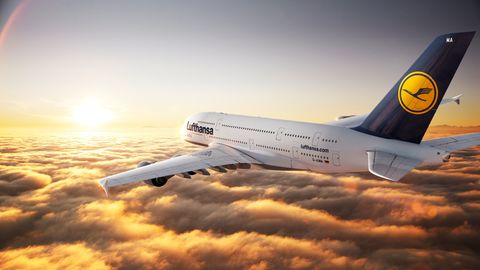
BA isn't the first airline to trial automated checkin -- Jetstar will check you in automatically it for domestic flights in Australia, NZ and Japan, Lufthansa has been using it since the beginning of the year within Europe's Schengen Area, and several international low-cost carriers allow you to check-in weeks in advance of a flight, sometimes at the booking stage.
But BA's is the first time it's been used internationally by a major full-service airline. It's useful for frequent flyers, who may well be busy in the office the instant check-in opens, and who do have the ability to request seats well in advance.
We also reckon that the convenience of being automatically checked in for a short hop like Sydney-Melbourne outweighs possibly getting stuck in a seat that's not your preferred sort.
That said, we'd like to think that frequent flyers and people on more expensive tickets would be automatically sorted into the best seats.
However, for longer flights we're less keen on computer-assigned seating -- especially in British Airways' unique forwards-backwards style Club World business class, where there are some great seats but some that involve window passengers vaulting like a gazelle/hippopotamus over a sleeping aisle neighbour.
Ditto in economy, where we like to snag an exit row seat or find a seat with a spare spot next to us wherever possible.
Would you use automated check-in? And if not, why not? Have your say in the comments box below.
For more on the latest trends in business travel, follow @AusBT on Twitter!
About John Walton
Aviation journalist and travel columnist John took his first long-haul flight when he was eight weeks old and hasn't looked back since. Well, except when facing rearwards in business class.


1 on 28/9/12 by mattdc